
How Does a Mortgage Work in the UK? A Complete Guide for First-Time Buyers
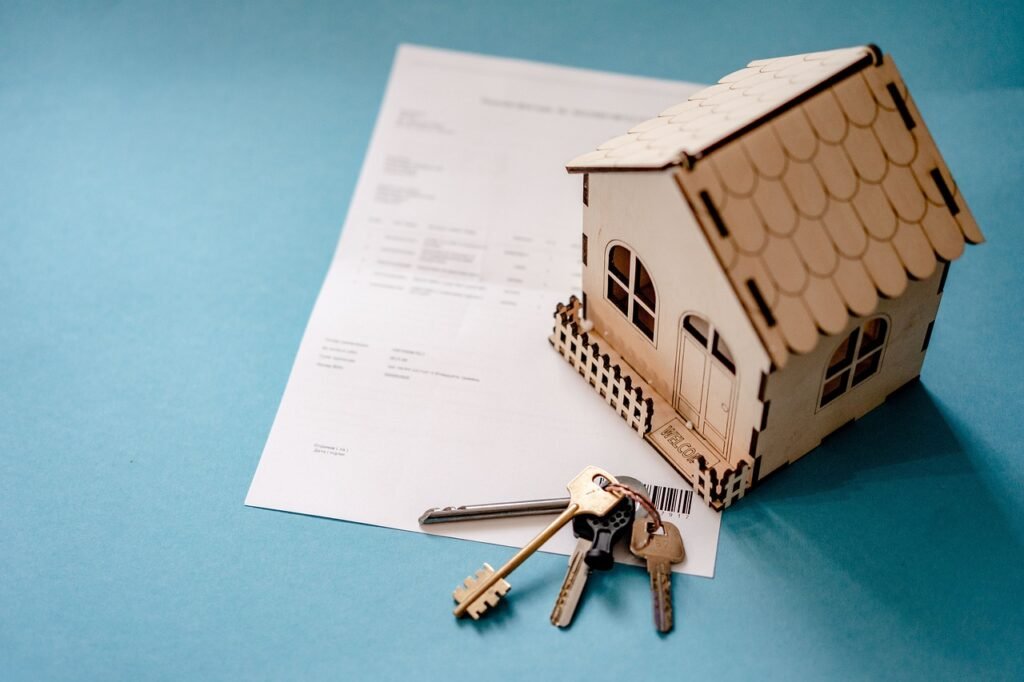
Buying a home in the United Kingdom is a major financial decision, and most buyers cannot afford to pay the full property price upfront. This is why understanding how does a mortgage work UK is essential for first-time buyers and those looking to move homes.
A mortgage is a loan provided by a bank or building society to help you purchase a property. Instead of paying the full amount upfront, you repay the loan gradually through monthly payments, which include both the money borrowed (capital) and the interest charged by the lender. Mortgages are typically repaid over 25–35 years, but terms can vary depending on lender policies and borrower circumstances.
In this guide, we explain step by step how does a mortgage work UK, the types of mortgages available, the costs involved, eligibility criteria, benefits, and risks, so you can make an informed decision.
What Is a Mortgage?
A mortgage is a secured loan, meaning the property itself acts as collateral for the money borrowed. If the borrower fails to make payments, the lender can repossess the property to recover the loan.
Mortgages are essential in the UK property market because very few buyers can pay the full purchase price upfront. According to UK Finance, millions of mortgages are issued annually, highlighting their importance in enabling homeownership.
Most monthly repayments include:
- Capital repayment – reduces the original loan amount
- Interest payment – the cost of borrowing the money
How Does a Mortgage Work UK: Step-by-Step Process
1. Saving a Deposit
Before applying for a mortgage, buyers typically need to save a deposit. The deposit is a percentage of the property price paid upfront and affects how much you can borrow and the interest rate offered.
| Deposit | Mortgage | Loan-to-Value (LTV) |
|---|---|---|
| 5% | 95% | High LTV |
| 10% | 90% | Common |
| 20% | 80% | Lower Risk |
| 25% | 75% | Best Rates |
Saving a larger deposit can unlock lower interest rates and make your mortgage application more attractive to lenders.
2. Mortgage Agreement in Principle
Many buyers obtain an Agreement in Principle (AIP) before making property offers. An AIP gives an indication of how much a lender might be willing to lend based on your income, debts, and credit history. While not a formal offer, it strengthens your negotiating position with sellers.
3. Applying for a Mortgage and Affordability Checks
Lenders evaluate whether you can afford the mortgage by assessing your:
- Income and employment stability
- Credit history and credit score
- Existing debts and monthly commitments
- Deposit size
UK lenders are regulated by the Financial Conduct Authority (FCA), which ensures responsible lending. Lenders must conduct affordability checks to ensure you can maintain repayments without undue financial strain.
4. Property Valuation
Once your application is submitted, the lender arranges a property valuation to confirm it is worth the amount you wish to borrow. This protects the lender and ensures the property is adequate security for the loan.
5. Mortgage Offer
If the lender approves your application and the valuation is satisfactory, a formal mortgage offer is issued. This document specifies the loan amount, interest rate, repayment schedule, and any special conditions.
6. Exchange of Contracts
At this stage, both buyer and seller sign contracts and pay a deposit (usually 10%). Legally, you are committed to purchasing the property.
7. Completion and Moving In
On the completion date, the lender transfers the mortgage funds to the seller’s solicitor, and ownership of the property is legally transferred to you. Monthly repayments then begin according to the mortgage agreement.
Example: How Does a Mortgage Work UK in Practice
Suppose you buy a property costing £300,000:
| Item | Amount |
|---|---|
| Property Price | £300,000 |
| Deposit (10%) | £30,000 |
| Mortgage Loan | £270,000 |
Choosing a 25-year mortgage term would mean approximately 300 monthly payments. Early in the term, a larger portion goes toward interest, gradually shifting toward principal repayment over time.
Types of Mortgages in the UK
Understanding mortgage types helps clarify how does a mortgage work UK:
Fixed-Rate Mortgages
Interest remains the same for a fixed period (usually 2–5 years), providing predictable monthly payments.
Tracker Mortgages
Interest rates track the Bank of England base rate. Payments can rise or fall with changes in market rates.
Variable Rate Mortgages
Rates can change at the lender’s discretion depending on broader market conditions.
Interest-Only Mortgages
Only interest is paid monthly, and the full capital is repaid at the end of the term.
Offset Mortgages
Linked to your savings account, reducing the interest charged on the mortgage.
Flexible Mortgages
Allow overpayments, underpayments, or payment holidays.
Additional Costs When Getting a Mortgage
- Stamp Duty Land Tax (see GOV.UK guidance)
- Mortgage arrangement fees
- Property valuation fees
- Solicitor/conveyancing fees
- Home surveys
- Insurance (life and buildings)
Eligibility Criteria
- Stable income and employment
- Good credit score
- Low existing debt
- Deposit size (usually 5–25%)
- Affordability based on lender’s income multiples
Each lender has its own criteria, but meeting these requirements increases your chances of approval.
Benefits of Using a Mortgage
- Enables earlier homeownership
- Spreads cost over decades
- Potential property value appreciation
- Builds equity while living in your home
- Flexibility with overpayments and term choices
Risks to Consider
- Interest rate increases affecting repayments
- Repossession if payments are missed
- Early repayment penalties on some mortgages
- Property market fluctuations
Internal Links
For more guidance, check our related articles: First-Time Buyer Mortgage Guide, Mortgage Calculator.
Frequently Asked Questions
How does a mortgage work in simple terms?
A mortgage allows a borrower to buy property by borrowing money from a lender and repaying it through monthly payments including interest over many years.
How much deposit is required for a mortgage in the UK?
Most UK lenders offer mortgages with deposits starting from 5%, though higher deposits may secure better rates.
How long do mortgages last in the UK?
Typical mortgage terms are between 25–35 years, depending on borrower preference and lender rules.
What happens if mortgage payments are missed?
If repayments are missed, the lender may take legal action and repossess the property because the loan is secured against the home.